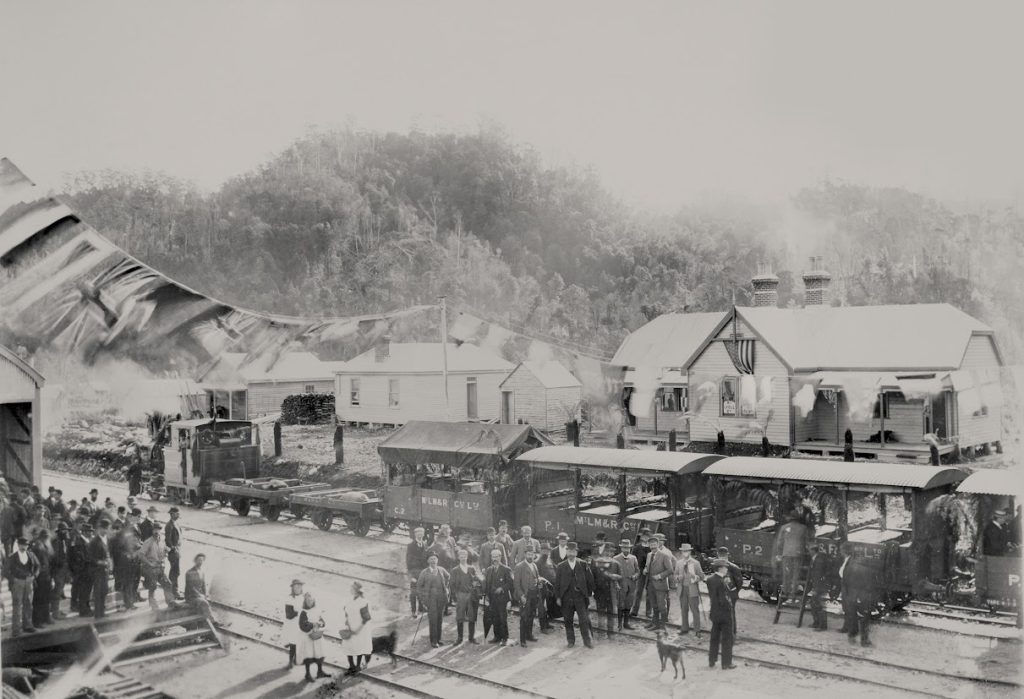
Anthony Edwin Bowes Kelly had a problem. He had discovered a mountain full of copper but no reliable way to move it to the coast.
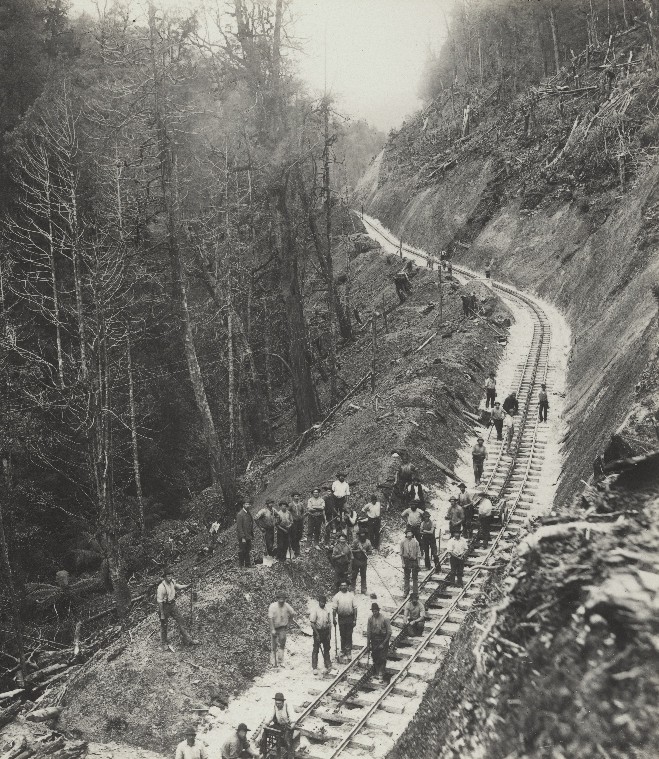
The harbour at Strahan was only 35 kilometres away, yet the country between was some of the hardest in Tasmania. Dense rainforest. Steep mountains. Gorges that seemed carved to keep people out. Bowes Kelly needed something beyond the ordinary. He needed an idea that could cut through the impossible.
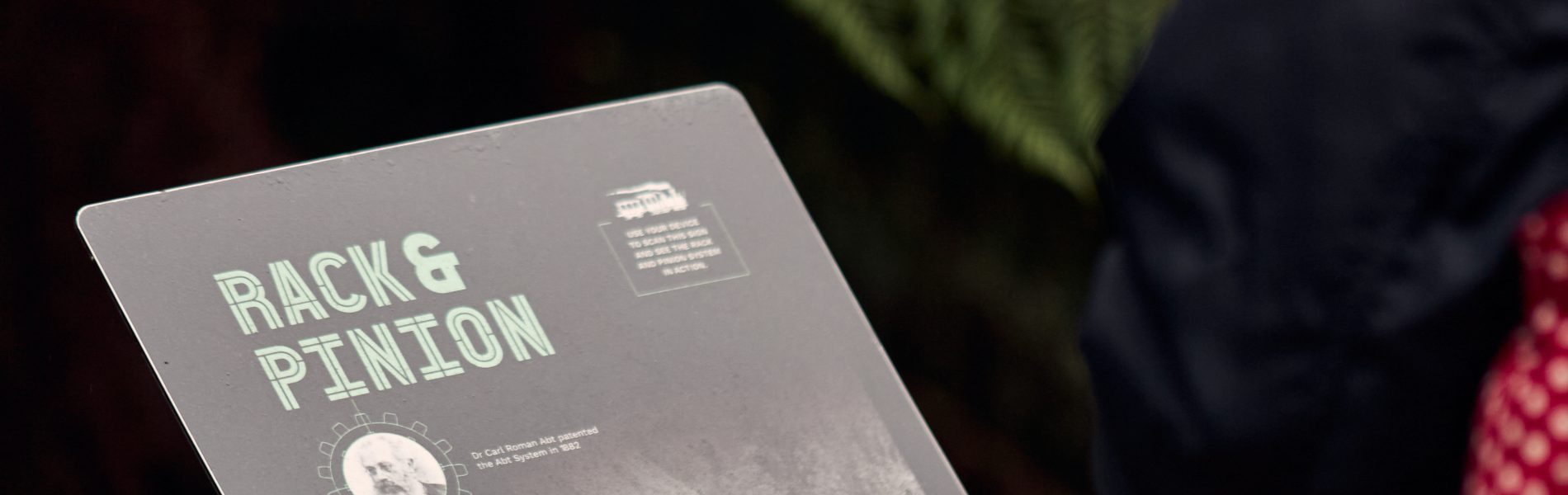
The answer came from an unexpected place. Inspired by the inner workings of a clock, the Abt System used a third central rail fitted with vertical teeth. These teeth engaged with cog wheels mounted beneath the locomotive. On the uphill climb, the system delivered the traction needed to haul heavy loads. On the downhill run, it provided a powerful braking effect.
No one had tested it in Australia. There was no evidence it would survive the wet, wild and unforgiving terrain of the West Coast. Bowes Kelly chose to try anyway. He purchased a length of rack rail and one of the specialised steam locomotives fitted with the cog mechanism.
It worked. More than that, it changed everything.
His decision reshaped the region, opened up the wilderness and created one of the most remarkable railways in the world. True to its spirit, the West Coast found a way- and when it couldn’t, it made one.